
Casino history Tracing the evolution of gaming through the ages
The Origins of Gambling
The history of gambling can be traced back to ancient civilizations, where games of chance were part of social and religious practices. Archaeological findings suggest that people in China played rudimentary games with dice around 2300 BC. Similarly, ancient Egyptians used a variety of betting methods, incorporating chance into their daily lives. These early forms of gambling laid the groundwork for future gaming practices across cultures. As you explore this landscape, remember to check out new online casinos canada that offer exciting opportunities for modern players.
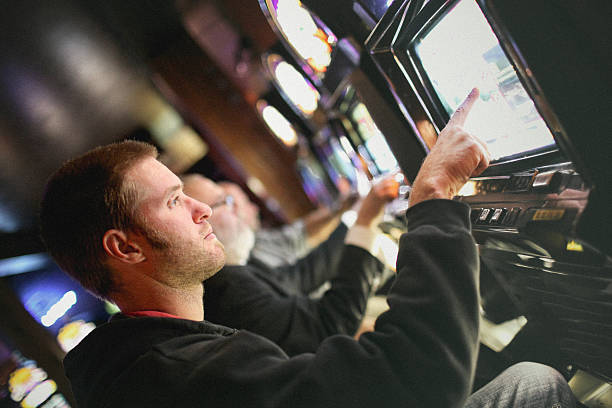
As societies evolved, so did the complexity of gaming. The Romans created betting as a form of entertainment during public events, further embedding gambling into their social fabric. This evolution indicates that gambling was not just a pastime but a significant aspect of cultural identity, often tied to rituals and communal gatherings.
The Birth of Modern Casinos
The 17th century marked a significant turning point with the establishment of the first official casinos in Europe. The Casino di Venezia in Italy, opened in 1638, is widely recognized as the oldest casino still in operation today. This era saw the formalization of games such as roulette and baccarat, which became synonymous with luxury and high stakes.
As the concept of the casino spread across Europe, it gained popularity among the aristocracy and wealthy elite. The establishment of casinos in France and Germany fueled the gaming culture, leading to the development of rules and regulations that aimed to govern and legitimize the gambling industry. This formal recognition of casinos set the stage for their global proliferation.
The Rise of Las Vegas and American Gambling
The 20th century ushered in a new era for gambling with the rise of Las Vegas as the gambling capital of the world. Following the legalization of gambling in Nevada in 1931, Las Vegas transformed from a modest desert town to a bustling metropolis characterized by grand casinos and elaborate entertainment. The city became a symbol of glamour and excess, attracting visitors from around the globe.
During this time, innovations in gaming technology emerged, including the introduction of slot machines and electronic gaming. The ability to offer a wider variety of games appealed to a broader audience, thereby reshaping the landscape of gambling in America. The rise of Las Vegas not only revolutionized gambling but also established it as a mainstream form of entertainment.
The Digital Transformation of Gambling
The advent of the internet in the late 20th century brought about a seismic shift in the gambling industry. Online casinos emerged, offering players the convenience of gambling from the comfort of their homes. This digital transformation democratized access to gaming, allowing players to enjoy a wide range of games with just a click.
Furthermore, the introduction of mobile gaming revolutionized the sector, enabling players to wager on-the-go. As technology continues to evolve, virtual and augmented reality applications are beginning to reshape the gaming experience, providing immersive environments that replicate traditional casino atmospheres.

Exploring Responsible Gambling Online
As the online gambling landscape expands, it is crucial for players to engage in responsible gaming practices. Awareness of risks and setting limits can greatly enhance the gaming experience while ensuring safety. Many online platforms now prioritize responsible gambling by offering resources and support for players who may develop problematic behaviors.
Our website serves as a resource hub for those exploring the vast world of online casinos. We provide detailed reviews, rankings, and essential insights to help players make informed choices. By emphasizing safe and responsible gambling practices, we aim to enhance the overall gaming experience while promoting enjoyment and safety in this thrilling industry.
